How Tarp Repairs Help Extend the Life of Protective Covers
Protective covers are a practical investment for safeguarding equipment, vehicles, building materials, and agricultural products. However, even the most durable covers can experience wear over time. Understanding how tarp repairs help extend the life of protective covers allows property owners and businesses to protect their investments while reducing unnecessary replacement costs.
Instead of discarding a damaged cover at the first sign of trouble, strategic repairs can restore functionality and preserve structural integrity. With proper maintenance and timely attention to small issues, tarps can continue delivering reliable protection in demanding environments.
Recognize the Value of Protective Tarps
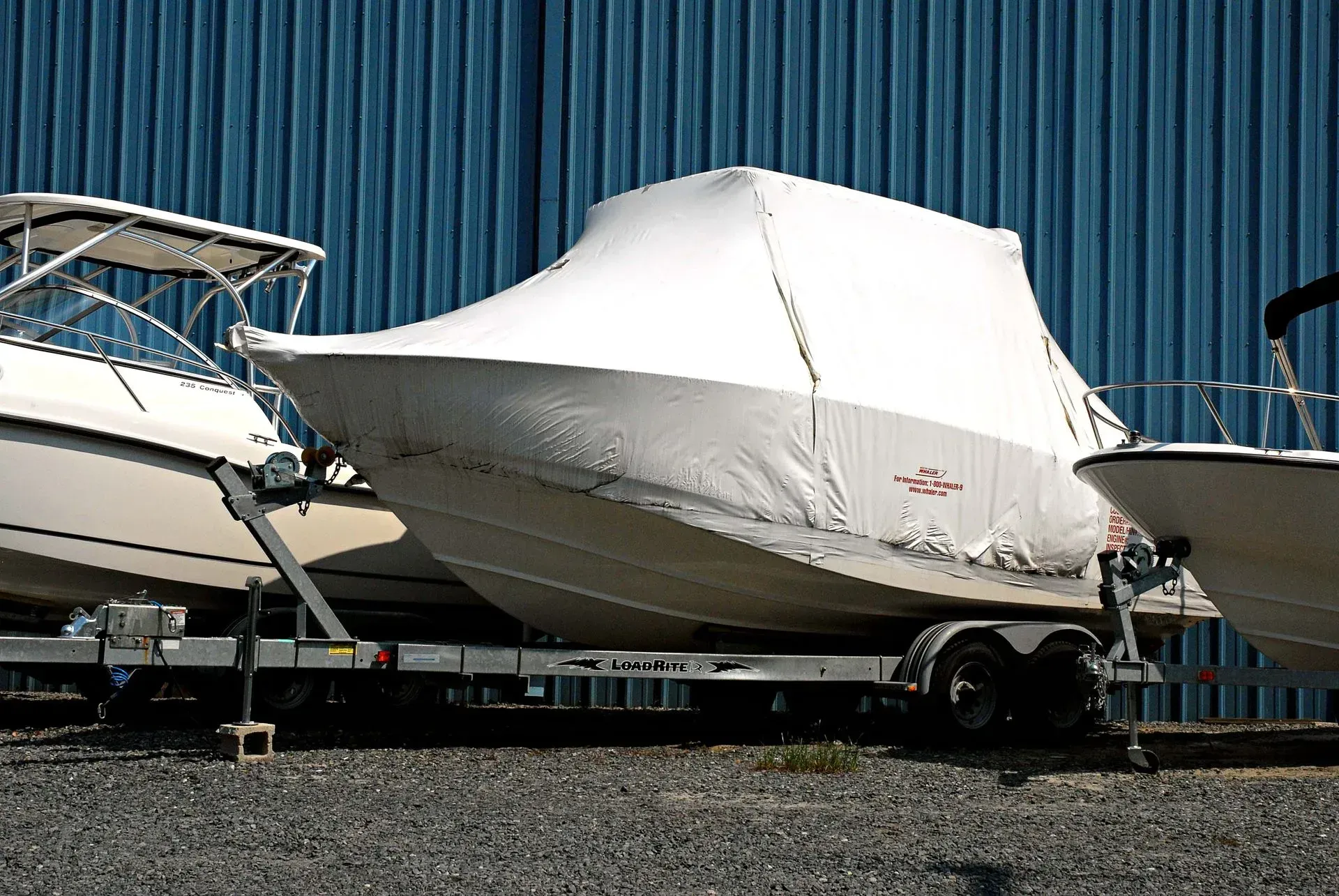
Protective tarps serve as a critical barrier against rain, wind, sun exposure, and debris. Whether used on construction sites, farms, trucking operations, or residential properties, these covers shield valuable assets from environmental stress. Without dependable coverage, moisture intrusion, UV degradation, and airborne contaminants can shorten the lifespan of the items underneath. High-quality tarps act as a first line of defense, preventing premature wear and costly damage.
The growing demand for durable tarpaulins reflects their widespread importance across industries. According to Future Market Insights, the global tarpaulin sheets market is projected to reach a value of $9,478.5 million in 2026 and expand to $16,974.5 million by 2036, underscoring how essential these protective materials have become. As reliance on tarps continues to grow, repairs play an increasingly vital role in maximizing performance and longevity.
Select the Right Materials for Longevity
Tarps are manufactured from a variety of materials, each designed to meet specific protection needs and performance expectations. Polyethylene tarps are lightweight, flexible, and resistant to water and ultraviolet exposure, making them ideal for temporary outdoor coverage such as construction projects, equipment storage, and emergency roof protection. Canvas tarps provide breathability along with impressive tensile strength, which makes them well-suited for applications that require airflow to prevent condensation buildup, such as covering machinery or agricultural products. Vinyl tarps are engineered for resilience in demanding industrial settings, offering superior resistance to chemicals, abrasions, and extreme weather conditions. The thickness, weave, and coating of each material further influence durability, flexibility, and resistance to tearing, allowing users to match a tarp’s construction to its intended purpose.
Selecting the right material from the beginning significantly influences how well a tarp withstands environmental stress over time. Factors such as climate, frequency of use, weight load, and exposure to friction all play a role in determining which material will deliver the best long-term performance. Even the strongest material, however, is not immune to wear caused by constant tension, wind movement, or prolonged sun exposure. Small punctures, weakened seams, or worn grommets can quickly compromise structural integrity if left unaddressed. When minor damage occurs, professional tarp repairs help restore strength and waterproofing, ensuring that the chosen material continues performing as intended rather than deteriorating further due to neglect.
Identify Damage Before It Spreads
Routine inspections are essential for spotting early signs of tarp damage. Tears and punctures are among the most common issues, often caused by sharp edges, heavy loads, or excessive tension at tie-down points. When left unaddressed, even small openings allow water and debris to penetrate, weakening the tarp and compromising the items beneath it. Acting quickly with repairs prevents minor flaws from expanding into major structural failures.
Fraying edges and seam separation are additional warning signs that should not be ignored. Constant movement against rough surfaces or prolonged wind exposure can gradually weaken reinforced hems and grommets. By identifying these issues early and performing timely repairs, owners can preserve the tarp’s integrity and avoid the expense of full replacement.
Address Environmental Wear Proactively
Environmental exposure remains one of the primary causes of tarp deterioration. Prolonged sunlight can break down fibers through ultraviolet radiation, leading to brittleness and fading. Extended moisture exposure can encourage mold and mildew growth, which weakens fabric strength and creates unpleasant odors. Strong winds place repeated stress on anchor points, increasing the likelihood of tearing.
While these factors are unavoidable in many applications, proactive tarp repairs can counteract their impact. Reinforcing stress points, resealing seams, and patching UV-compromised areas restore protective capabilities and prevent further breakdown. Addressing environmental wear promptly ensures that tarps continue to function effectively despite ongoing exposure.
Reinforce Weak Areas to Prevent Failure
Certain sections of a tarp naturally experience more strain than others. Corners, grommet placements, seams, and tie-down points are particularly vulnerable to stress-related damage. Once these areas begin to weaken, the risk of sudden failure increases significantly, especially during storms or heavy use. Reinforcement through targeted repairs strengthens these high-stress zones and extends the overall service life of the cover.
Professional repair techniques often include patching torn fabric, replacing damaged grommets, resewing seams, and applying protective coatings. These methods restore structural stability while maintaining flexibility and water resistance. By reinforcing vulnerable areas before a complete breakdown occurs, tarp repairs help prevent emergencies that could expose valuable assets to harm.
Maintain Cleanliness and Proper Storage
Maintenance habits greatly influence how long a tarp remains functional. Dirt, debris, and standing water accelerate material degradation when allowed to accumulate. Regular cleaning removes contaminants that can break down fibers or trap moisture against the surface. Ensuring that tarps are fully dry before storage also reduces the risk of mold and mildew development.
Proper folding and storage in a well-ventilated area minimizes creasing and unnecessary stress on the material. Even with careful handling, minor damage may still occur over time. When it does, addressing the issue promptly through tarp repairs prevents small imperfections from worsening during the next use cycle.
Reduce Costs Through Timely Repairs
Replacing a large industrial tarp or specialty cover can represent a significant expense. In many cases, damage is localized and does not justify discarding the entire product. Choosing repair over replacement offers a cost-effective alternative that preserves most of the original material while restoring performance.
Beyond direct savings, repairs also reduce downtime. Businesses that rely on protective covers for daily operations cannot afford prolonged exposure of equipment or materials. Quick and efficient tarp repairs allow operations to continue with minimal disruption, supporting both productivity and asset protection.
Support Sustainability Through Repair
Extending the life of protective covers through repairs also supports environmental responsibility. Disposing of large tarps contributes to landfill waste, particularly when synthetic materials are involved. Repairing rather than replacing reduces material consumption and lessens the environmental footprint associated with manufacturing new products.
Sustainability is increasingly important across industries, and maintaining existing equipment aligns with broader conservation goals. By choosing tarp repairs when feasible, individuals and organizations demonstrate a commitment to responsible resource management while still maintaining high standards of protection.
Protective covers are indispensable tools for shielding assets from environmental hazards, but their effectiveness depends on consistent care and attention. From identifying early signs of wear to reinforcing high-stress areas, repairs provide a practical solution to extend service life and maintain dependable coverage. Rather than viewing damage as the end of a tarp’s usefulness, strategic repairs offer a way to restore strength and functionality.
By prioritizing maintenance and investing in professional repairs when needed, property owners and businesses can protect their investments, reduce costs, and promote sustainability. If your protective covers need expert attention, contact us at Pyramid Tarp & Repair LLC today. We will help you extend the life of your tarps with reliable, high-quality
tarp repairs.
Recent Posts